



Why Optomap®?
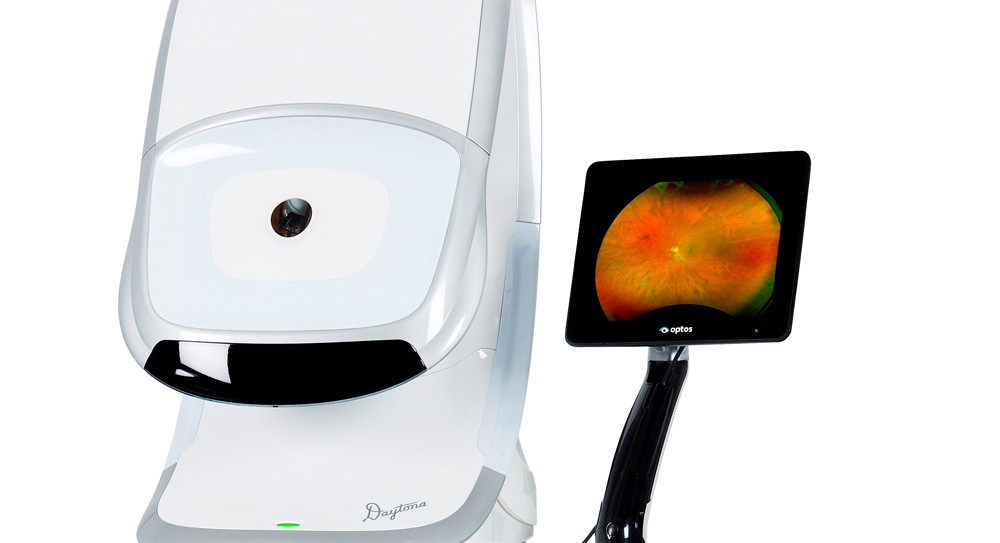
Optomap® retinal imaging has several advantages:
- Efficient: Optomap® exams can be done right away. You don’t have to wait for dilating eye drops to take effect.
- Convenient: Dilating eye drops can give you blurred vision and increased light sensitivity for hours. With Optomap® there’s no need for dilation.
- Detailed: Traditional retinal imaging lets an optometrist view about 15% of the retina at a time. Optomap® wide-angle imaging captures a high-resolution view of more than 80% of the retina.
- Archived: Unlike traditional retinal exams, Optomap® images can be saved to compare against future scans, or to share results with other doctors.
Optomap®
- No eye drops
- No waiting
- No side effects
- 200-degree view
- Retinal image saved in your record

Dilation
- Requires dilating eye drops
- Wait up to 30 minutes for eye drops to work
- Side effects can include blurred vision & light sensitivity
- 45-degree view
- No visual record of exam

Optomap® does not replace dilation
Optomap® is an effective complement to dilated retinal exams because it provides a comprehensive view of almost the whole retina, and images can be used to monitor changes over time.
Depending on your eye health and the results of your Optomap® exam, your eye doctor may also require a dilated eye exam to further evaluate the retina and optic nerve.
Patients with diabetes need a dilated retinal exam to screen for retinopathy once a year, or as recommended by their eye doctor.
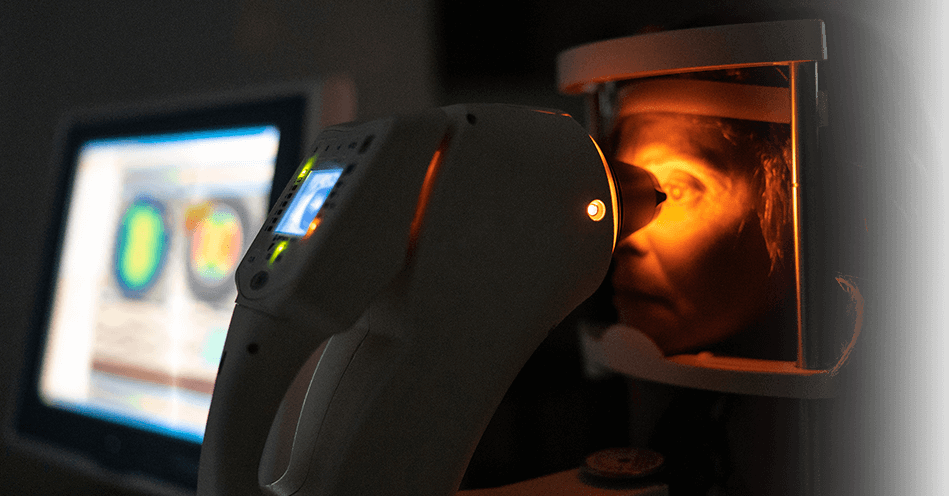
Optomap® Exams are $40*
This is separate from the cost of a comprehensive eye exam (which is typically covered by vision insurance).
What can Optomap® detect?
Both Optomap® and traditional retinal exams can detect early signs of ocular and systemic diseases, including:
- Macular degeneration
- Retinal detachment
- Prediabetes/undiagnosed diabetes
- Hypertension (high blood pressure)
- High cholesterol
- Diabetic retinopathy
- Glaucoma
- Cancer
Because the retina is the only place in the body where blood vessels can be directly observed, some diseases can be detected in a retinal exam even before any symptoms present. Early detection can improve your chances for prevention or successful treatment.