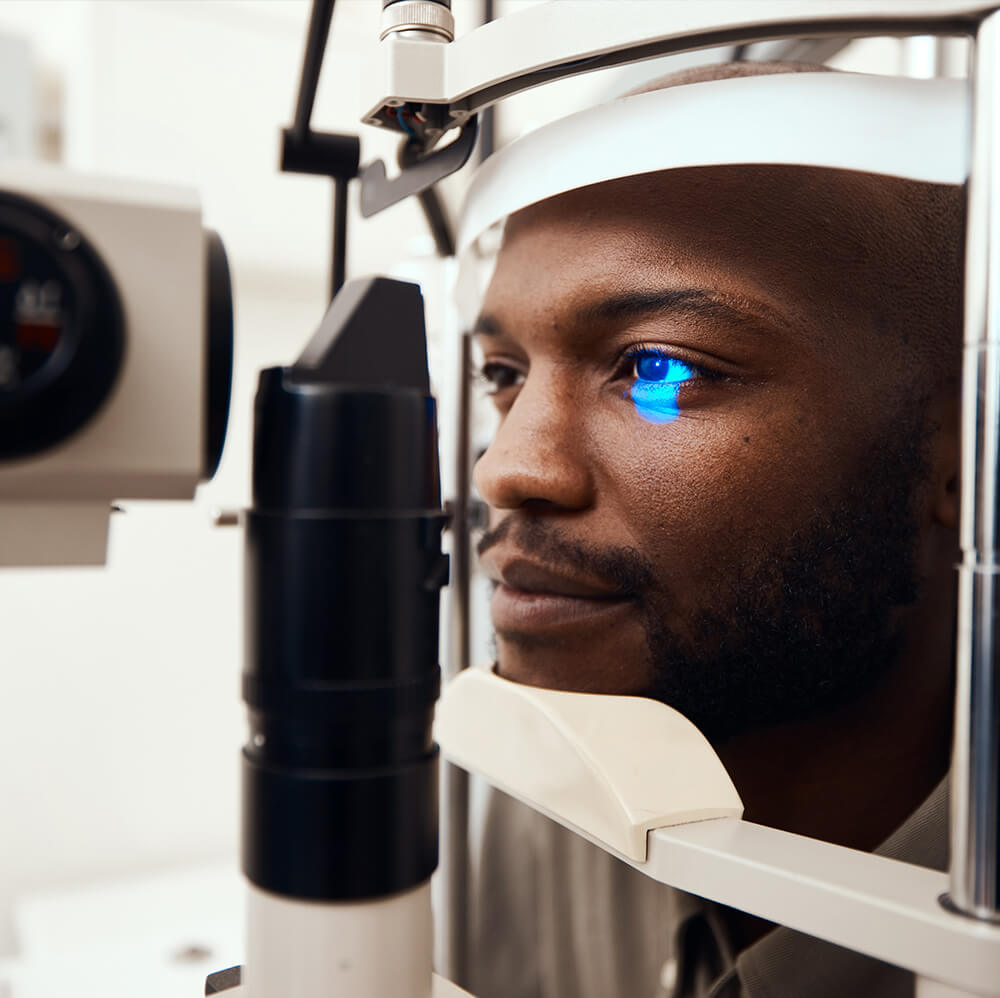
Dilated eye exams & retinopathy screening for patients with diabetes
Diabetic retinopathy can develop over time in people living with Type 1 or Type 2 diabetes. Individuals with diabetes also live with increased risk of glaucoma, cataracts, and other eye diseases. Keeping up with regular eye exams and discussing vision changes with your eye doctor is the best way to protect your eyes and vision.
Both routine and medical eye exams conducted by a licensed optometrist are available at all Eye Boutique locations.Contact lens fittings at 6 Chicago-area locations. A contact lens exam is different from a regular eye exam. Your doctor conducts additional tests to evaluate and measure your eyes for contact lens wear. Even patients who’ve been wearing contacts for years without problems need periodic fit evaluations from an eye doctor.

What is a diabetic eye exam?
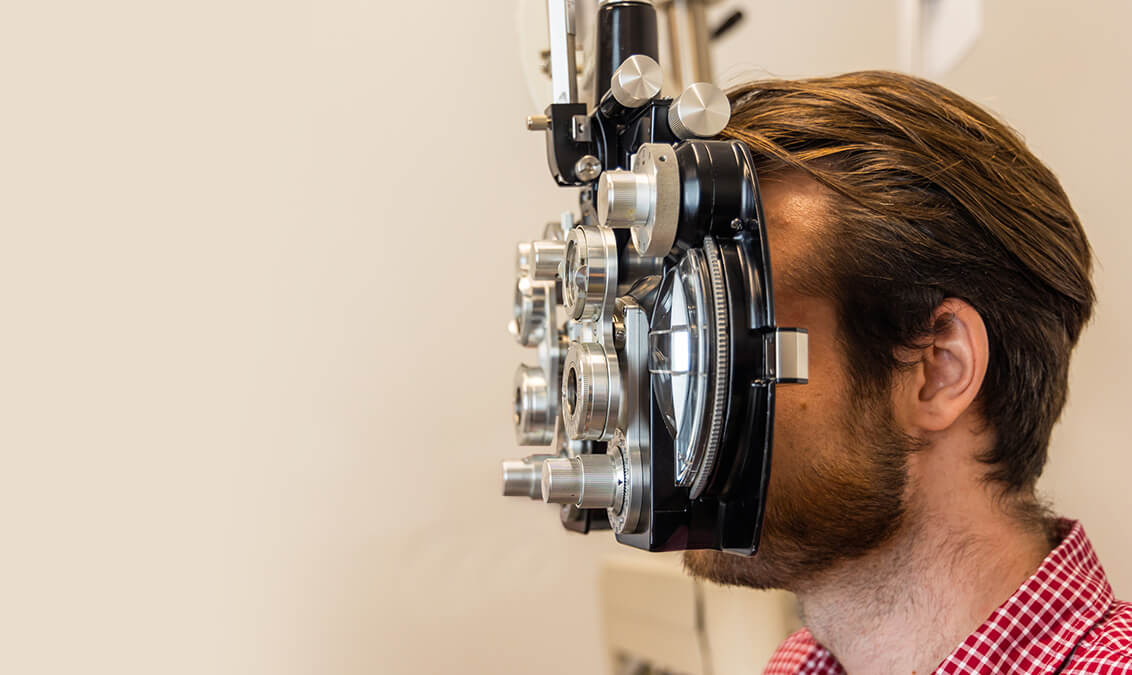
‘Diabetic eye exam’ is a term used to refer to eye exams for people with diabetes. It’s not an official medical procedure. The main reason people with diabetes need regular eye exams is to screen for diabetic retinopathy, which is done with a dilated retinal exam.(i)
(i) The retina is a thin, light-sensitive layer of tissue at the back of your eyeball. The retina is what registers light and sends visual information to your brain to produce vision. High blood sugar levels can damage the tiny blood vessels in the retina, and over time this damage can lead to vision loss.
Eye exams with Optomap® retinal imaging are available at Eye Boutique in Naperville, Schaumburg, Joliet, Geneva, and Crystal Lake (all locations except Algonquin).
Additional tests may be required during your exam, depending on the results of your retinal exam.
How much does a diabetic eye exam cost?
Our optometrists see many patients with diabetes, and our standard comprehensive eye exam includes dilation (in other words: there’s no extra charge for a regular eye exam if you have diabetes). Without vision insurance, a comprehensive eye exam costs $85. Terms and conditions apply to promotional eye exam pricing, please see offer details.
If you have vision insurance, it likely covers all or most of the cost of an annual eye exam. Our eye doctors take most vision plans, and we offer free benefit checks so you’ll know what your plan covers going in.
The above pricing applies to routine eye exams. The cost may be different if you have diabetes and need a medical eye exam.
Routine Eye Exam
- Annual
- No eye health concerns
- Includes refraction (vision testing)
- Includes dilation (retinal exam)
- Typically covered by vision insurance
Medical Eye Exam
- As needed
- Chronic or acute eye health concerns
- Does not include refraction
- Includes dilation
- May be covered by medical insurance

How pricing works for medical eye exams
The cost of a medical eye exam can vary, depending on whether it’s your first time seeing the optometrist, and what the eye doctor finds during your exam.
For patients with health insurance, it may cover all or part of the cost of a medical eye exam.
Not sure if your medical insurance covers eye exams? Call or visit one of our stores with your insurance information on hand, and an associate can check for you.
For patients without health insurance, a medical eye exam can cost anywhere from $51 and up. We take CareCredit for both routine and medical eye exams at all our stores.
How often should you get a diabetic eye exam?
Generally, people with diabetes should have a dilated eye exam once a year to screen for diabetic retinopathy and other possible issues, according to the ADA (American Diabetes Association).
Type 1 Diabetes
People with Type 1 diabetes should have a dilated comprehensive eye exam within 5 years of diagnosis.
Type 2 Diabetes
People with Type 2 diabetes need a dilated eye exam as soon as possible after diagnosis. Because Type 2 diabetes develops slowly, by the time you’ve been diagnosed you could already have retinopathy.
Pregnant
woman with Diabetes
Should have a dilated eye exam in the first trimester, and follow-up eye exams throughout the pregnancy and postpartum period as recommended by their eye doctor.
High Risk Individuals
Individuals with a high risk of diabetic retinopathy and other eye problems may need more frequent exams. The longer you’ve had diabetes, the greater the risk of complications. Having other health conditions, smoking, or failing to control blood sugar also increases your risk.
Do I need an optometrist or an ophthalmologist for a diabetic eye exam?
Both optometrists and ophthalmologists perform diabetic eye exams. Usually, an eye exam from an ophthalmologist costs more.
Optometrist: Eye doctor providing primary vision care, eye health examinations and vision testing.
Ophthalmologist: Medical doctor specializing in eye care and eye surgery.
Eye Boutique optometrists can diagnose and treat a wide range of eye and vision problems. They can also help patients with diabetes detect signs of diabetic eye disease early, provide treatment and plan follow-up care to help prevent vision loss. If specialized medical care is necessary (such as an advanced case of diabetic retinopathy) we’ll refer you to a qualified local ophthalmologist.